协方差 vs 相关系数
协方差用于度量两个变量是否会一起变化("共同变化")。它通过逐点计算上个练习中的偏差乘积 dx[n]*dy[n],然后对所有乘积取平均得到。
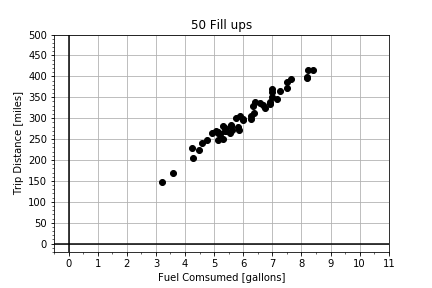
相关系数本质上是标准化后的协方差。本练习为您提供了两组高度相关的数据,您将可视化并计算「协方差」和「相关系数」这两者。
本练习是课程的一部分
Python 线性建模入门
练习说明
- 使用
np.mean()计算均值并相减,得到偏差dx和dy,并将它们的乘积dx*dy取平均,得到covariance(协方差)。 - 使用
np.std()计算标准差并相除,得到标准化偏差zx和zy,并将它们的乘积zx*zy取平均,得到correlation(相关系数)。 - 使用
plot_normalized_deviations(zx, zy)绘制标准化偏差的乘积,并将图形与相关系数的数值进行直观对照检查。
交互式实操练习
通过完成这段示例代码来试试这个练习。
# Compute the covariance from the deviations.
dx = x - np.____(x)
dy = y - np.____(y)
covariance = np.____(____ * ____)
print("Covariance: ", covariance)

# Compute the correlation from the normalized deviations.
zx = dx / np.____(x)
zy = dy / np.____(y)
correlation = np.____(____ * ____)
print("Correlation: ", correlation)

# Plot the normalized deviations for visual inspection.
fig = plot_normalized_deviations(zx, zy)