Doğrusal olmayan lojistik regresyon
- bölümde, işe gidenlerin kat ettiği mesafeyi ve bunun otobüse binme olasılığı üzerindeki doğrusal etkisini inceledin. Peki ya bu ilişki doğrusal değilse ve tekdüze (monoton) değilse?
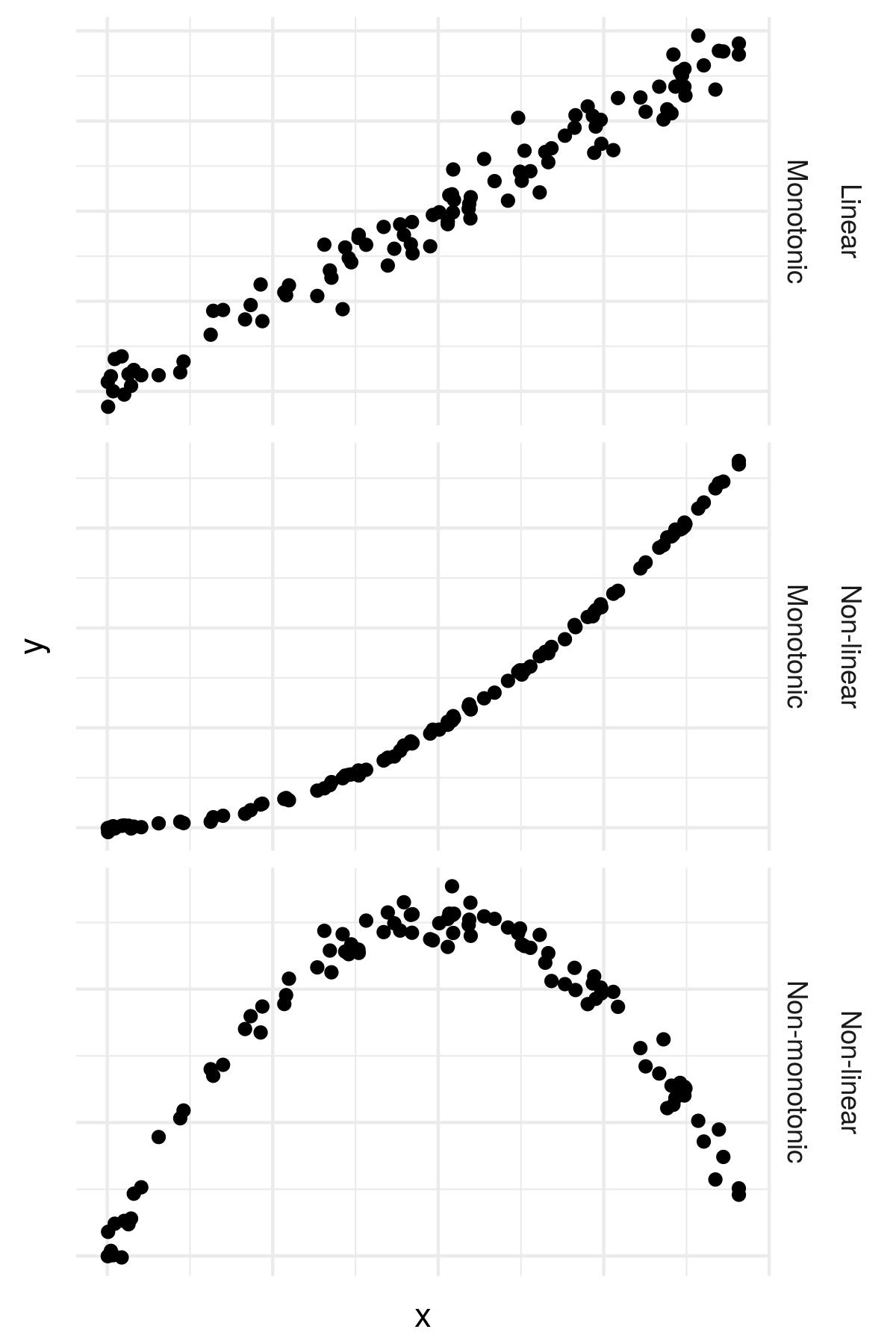
Örneğin, en kısa ve en uzun mesafeleri kat edenlerin otobüse binme olasılığı daha düşükse?
R'de formüllere doğrusal olmayan terimler eklemek için formülünün bir parçası olarak I(..) fonksiyonunu kullanabilirsin.
Örneğin y~I(x^2), x*x için bir katsayı tahmin etmene olanak tanır.
Bu egzersizde, otobüs verilerini daha ayrıntılı inceleyeceksin.
Bu egzersiz, kursun bir parçasıdır
R'de Genelleştirilmiş Doğrusal Modeller
Egzersiz talimatları
- İkinci
geom_smooth()çağrısındakiformulaseçeneğiney ~ I(x^2)formülünü ekle.
Uygulamalı etkileşimli egzersiz
Bu egzersizi bu örnek kodu tamamlayarak deneyin.
# Plot linear effect of travel distance on probability of taking the bus
gg_jitter <-
	ggplot(data = bus, aes(x = MilesOneWay, y = Bus2)) +
	geom_jitter(width = 0, height = 0.05) +
	geom_smooth(method = 'glm',
                method.args = list(family = 'binomial'))

# Add a non-linear equation to a geom_smooth()
gg_jitter +
	geom_smooth(method = 'glm',
                method.args = list(family = 'binomial'),
                formula = ___,
                color = 'red')