İlişkisel Komşu Sınıflandırıcı
Bu egzersizde, ilişkisel komşu sınıflandırıcı adı verilen basit bir ağ tabanlı sınıflandırıcıyı uygulayacaksın.
Bu yöntem, ağdaki her düğüm için komşu düğümlerin sınıf etiketlerini kullanarak bir terk olasılığı hesaplar.
Örneğin, aşağıdaki ağda kırmızı düğümler terk edenleri, beyaz düğümler terk etmeyenleri gösteriyor; mavi düğümün terk olasılığı 0.4'tür.
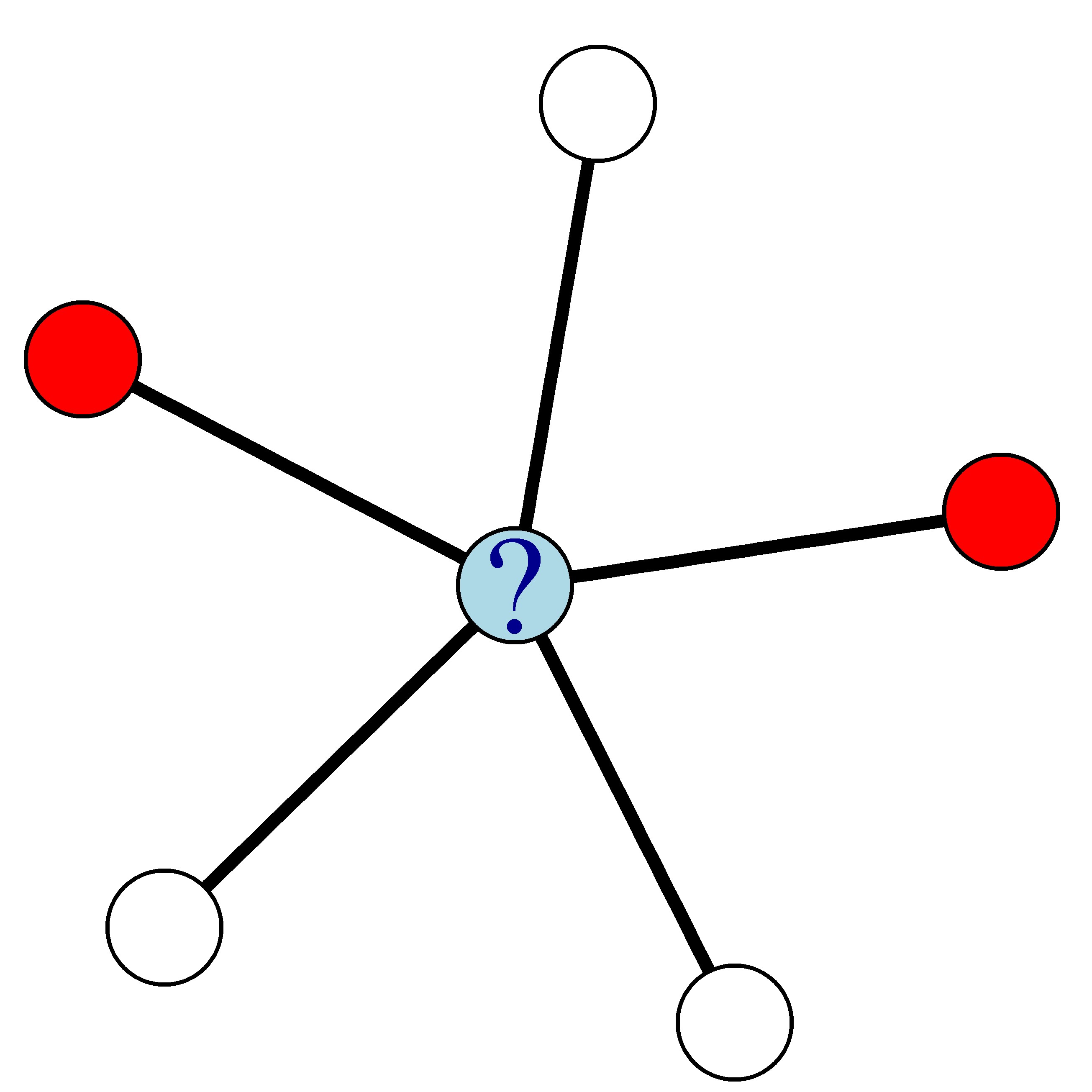
Sana iki vektör verildi: ChurnNeighbors ve NonChurnNeighbors. Bunlar sırasıyla her müşterinin, terk eden ve etmeyen komşu sayısını içerir.
Bu egzersiz, kursun bir parçasıdır
R ile Ağ Verileri Kullanarak Predictive Analytics
Egzersiz talimatları
- İlişkisel komşu sınıflandırıcıyı kullanarak her müşteri için
churnProbadlı terk olasılığını hesapla. which()kullanarak en yüksek terk olasılığına sahip müşterileri bul. Bu vektöremostLikelyChurnersadını ver.- En yüksek terk olasılığına sahip müşterilerin kimliklerini bulmak için
mostLikelyChurnersvektörünü kullan.
Uygulamalı etkileşimli egzersiz
Bu egzersizi bu örnek kodu tamamlayarak deneyin.
# Compute the churn probabilities
churnProb <- ___ / (ChurnNeighbors + ___)

# Find who is most likely to churn
mostLikelyChurners <- which(churnProb == ___(churnProb))

# Extract the IDs of the most likely churners
customers$id[___]