Kovarians vs Korelasi
Kovarians mengukur apakah dua variabel berubah ("bervariasi") secara bersama. Kovarians dihitung dengan mengalikan, titik demi titik, deviasi yang Anda lihat pada latihan sebelumnya, dx[n]*dy[n], lalu mencari rata-rata dari semua hasil perkalian tersebut.
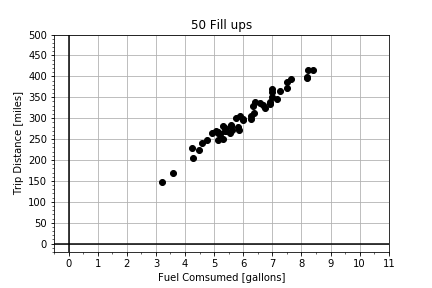
Korelasi pada dasarnya adalah kovarians yang dinormalisasi. Dalam latihan ini, Anda diberikan dua array data yang sangat berkorelasi, dan Anda akan memvisualisasikan serta menghitung baik covariance maupun correlation.
Latihan ini merupakan bagian dari kursus
Pengantar Pemodelan Linear di Python
Instruksi latihan
- Hitung deviasi
dxdandydengan mengurangkan mean menggunakannp.mean(), lalu hitungcovariancesebagai mean dari hasil kali keduanyadx*dy. - Hitung deviasi ter-normalisasi
zxdanzydengan membagi dengan simpangan baku menggunakannp.std(), lalu hitungcorrelationsebagai mean dari hasil kali keduanyazx*zy. - Gunakan
plot_normalized_deviations(zx, zy)untuk memplot hasil kali deviasi ter-normalisasi dan memeriksanya secara visual terhadap nilai korelasi.
Latihan interaktif langsung praktik
Cobalah latihan ini dengan melengkapi kode contoh ini.
# Compute the covariance from the deviations.
dx = x - np.____(x)
dy = y - np.____(y)
covariance = np.____(____ * ____)
print("Covariance: ", covariance)

# Compute the correlation from the normalized deviations.
zx = dx / np.____(x)
zy = dy / np.____(y)
correlation = np.____(____ * ____)
print("Correlation: ", correlation)

# Plot the normalized deviations for visual inspection.
fig = plot_normalized_deviations(zx, zy)