Anlamsal maskeleri hazırlama
Panoptik bölütleme yapmanın yaygın bir yolu, anlamsal ve örnek bölütlemenin çıktıları birleştirmektir. Aşağıdaki New York sokağı görüntüsünü düşün.
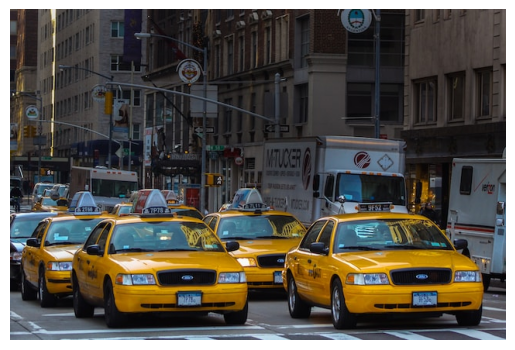
Görevin, her taksinin ayrı bir nesne olarak tanımlandığı ve asfalt ile bina arka planlarının ayırt edildiği şekilde panoptik bölütleme yapmak.
Bunu başarmak için, sana UNet() olarak sunulan, önceden eğitilmiş bir U-Net ile bir anlamsal maske üreterek başlayacaksın. Umuyoruz ki iki arka plan türünü ayırt edecektir (ancak tek tek taksileri ayırt etmeyecektir)!
Bu egzersiz, kursun bir parçasıdır
PyTorch ile Görüntüler için Deep Learning
Egzersiz talimatları
- U-Net modelini
modelolarak oluştur. - Girdi görüntü tensörünü modele vererek
semantic_masksüret. - Her piksel için en yüksek olasılıklı sınıfı seçerek tek bir anlamsal maske oluştur.
Uygulamalı etkileşimli egzersiz
Bu egzersizi bu örnek kodu tamamlayarak deneyin.
# Instantiate the model
model = ____

# Produce semantic masks for the input image
with torch.no_grad():
    semantic_masks = ____

# Choose highest-probability class for each pixel
semantic_mask = ____(____, ____)

# Display the mask
plt.imshow(semantic_mask.squeeze(0))
plt.axis("off")
plt.show()