Kovaryans ve Korelasyon
Kovaryans, iki değişkenin birlikte değişip değişmediğinin ("varyans gösterip göstermediğinin") bir ölçüsüdür. Önceki egzersizde gördüğün sapmaların nokta nokta çarpımlarını, yani dx[n]*dy[n] hesaplayıp, sonra bu çarpımların ortalamasını alarak bulunur.
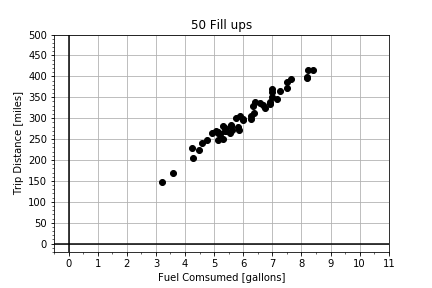
Korelasyon ise özünde normalize edilmiş kovaryanstır. Bu egzersizde, birbirleriyle yüksek korelasyona sahip iki veri dizisi veriliyor; sen de hem covariance hem de correlation değerlerini görselleştirip hesaplayacaksın.
Bu egzersiz, kursun bir parçasıdır
Python ile Doğrusal Modellemenin Temelleri
Egzersiz talimatları
np.mean()kullanarak ortalamayı çıkarıpdxvedysapmalarını hesapla vedx*dyçarpımının ortalamasını alarakcovariancedeğerini bul.np.std()kullanarak standart sapmaya bölüp normalize sapmalarızxvezyolarak hesapla vezx*zyçarpımının ortalamasını alarakcorrelationdeğerini bul.- Normalize sapmaların çarpımını çizdirmek ve korelasyon değeriyle görsel olarak karşılaştırmak için
plot_normalized_deviations(zx, zy)kullan.
Uygulamalı etkileşimli egzersiz
Bu egzersizi bu örnek kodu tamamlayarak deneyin.
# Compute the covariance from the deviations.
dx = x - np.____(x)
dy = y - np.____(y)
covariance = np.____(____ * ____)
print("Covariance: ", covariance)

# Compute the correlation from the normalized deviations.
zx = dx / np.____(x)
zy = dy / np.____(y)
correlation = np.____(____ * ____)
print("Correlation: ", correlation)

# Plot the normalized deviations for visual inspection.
fig = plot_normalized_deviations(zx, zy)