Ajuste uma árvore de decisão
Random forests são um modelo coringa para previsões; funcionam bem sem muitas configurações. Mas antes, vamos aprender o bloco de construção das random forests — as árvores de decisão.
Árvores de decisão dividem os dados em grupos com base nas features. Elas começam com um nó raiz e vão dividindo os dados até chegarmos aos nós folha.
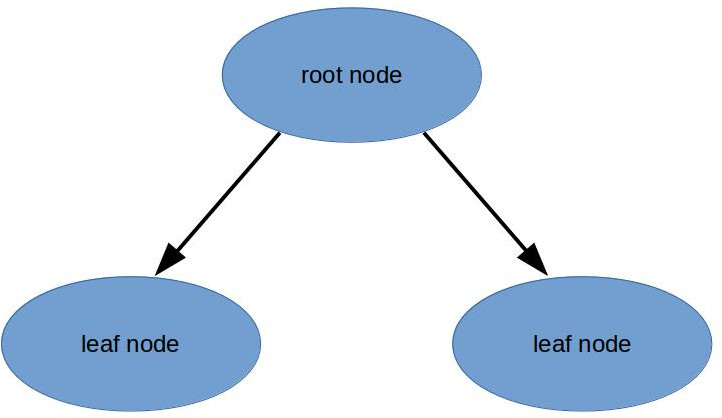
Podemos usar o sklearn para ajustar uma árvore de decisão com DecisionTreeRegressor e .fit(features, targets).
Sem limitar a profundidade (ou altura) da árvore, ela continuará dividindo os dados até que cada folha tenha 1 amostra, o que é o auge do overfitting. Vamos aprender mais sobre overfitting nos próximos capítulos.
Este exercicio faz parte do curso
Machine Learning para Finanças em Python
Instruções do exercicio
- Use a classe importada
DecisionTreeRegressorcom argumentos padrão (ou seja, sem argumentos) para criar um modelo de árvore de decisão chamadodecision_tree. - Ajuste o modelo usando
train_featuresetrain_targets, que criamos antes (e que agora contêm as features de dia da semana e volume). - Imprima o score nas features e targets de treino, assim como em
test_featuresetest_targets.
exercicio interativo prático
Tente este exercicio completando este código de exemplo.
from sklearn.tree import DecisionTreeRegressor

# Create a decision tree regression model with default arguments
decision_tree = ____

# Fit the model to the training features and targets
decision_tree.fit(____)

# Check the score on train and test
print(decision_tree.score(train_features, train_targets))
print(decision_tree.score(____))