Bir karar ağacı uydur
Random forests tahmin için başvurulan modellerdendir; kutudan çıktığı gibi iyi çalışırlar. Ama önce random forest'ların yapı taşı olan karar ağaçlarını öğreneceğiz.
Karar ağaçları veriyi özelliklere göre gruplara böler. Karar ağaçları bir kök düğümle başlar ve yaprak düğümlere ulaşana kadar veriyi aşağı doğru dallara ayırır.
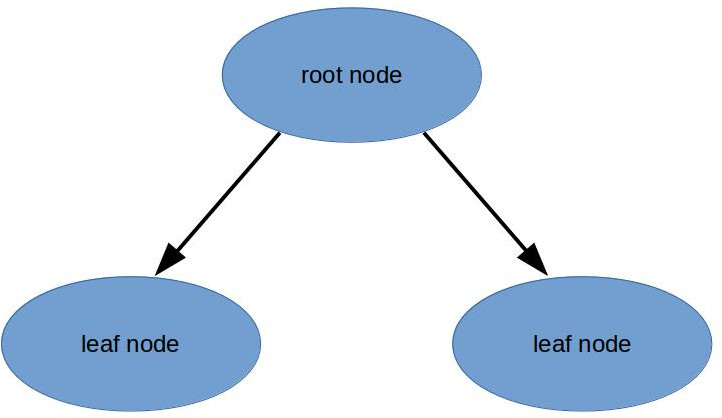
sklearn ile DecisionTreeRegressor ve .fit(features, targets) kullanarak bir karar ağacı uydurabiliriz.
Ağacın derinliğini (veya yüksekliğini) sınırlamazsak, her yaprakta 1 örnek kalana kadar veri bölünmeye devam eder; bu da aşırı öğrenmenin zirvesidir. Aşırı öğrenmeyi ilerleyen bölümlerde daha ayrıntılı işleyeceğiz.
Bu egzersiz, kursun bir parçasıdır
Python ile Finans için Machine Learning
Egzersiz talimatları
- İçe aktarılmış
DecisionTreeRegressorsınıfını varsayılan argümanlarla (yani argümansız) kullanarakdecision_treeadlı bir karar ağacı modeli oluştur. - Daha önce oluşturduğumuz (ve artık haftanın günü ile hacim özelliklerini içeren)
train_featuresvetrain_targetsile modeli uydur. - Eğitim özellikleri ve hedefleri üzerindeki skoru, ayrıca
test_featuresvetest_targetsüzerindeki skoru yazdır.
Uygulamalı etkileşimli egzersiz
Bu egzersizi bu örnek kodu tamamlayarak deneyin.
from sklearn.tree import DecisionTreeRegressor

# Create a decision tree regression model with default arguments
decision_tree = ____

# Fit the model to the training features and targets
decision_tree.fit(____)

# Check the score on train and test
print(decision_tree.score(train_features, train_targets))
print(decision_tree.score(____))